Informations sur la vente
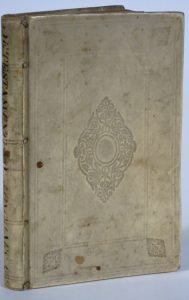
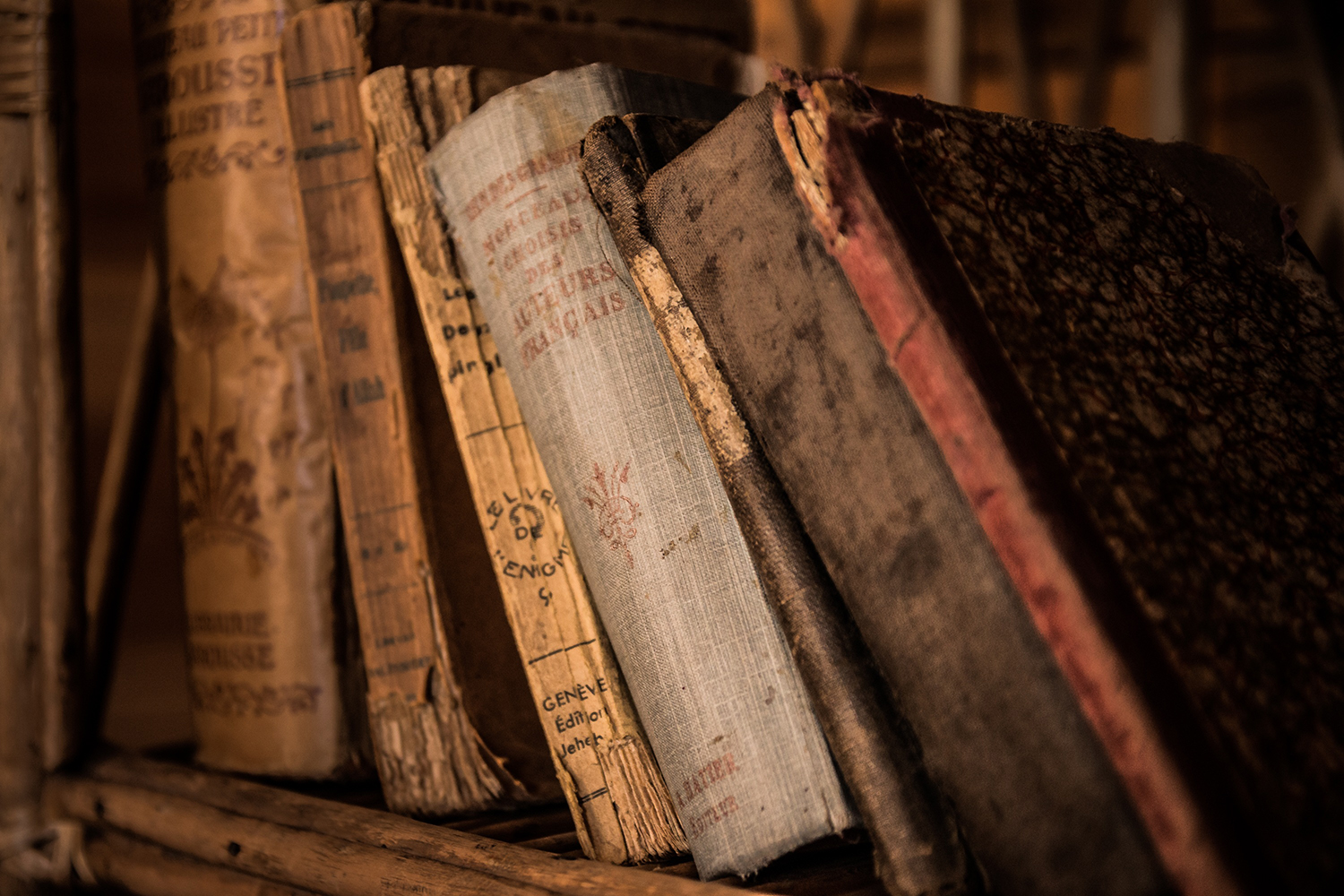
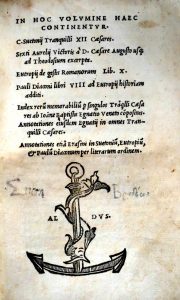
Livres de sciences : réunion exceptionnelle de 3 ouvrages illustrés par Pieter Apian, hydrographie & hydraulique (Bélidor), astronomie, mathématiques, horlogerie, médecine, microscopie (Ledermüller), botanique (Dodoens), histoire naturelle (Buffon), ingénierie (poliorcétique : Scala, Vauban, Nicolas de Fer)… Dessins (Van Dyck, Quast, Berchem, Tiepolo, Ensor, Cuyp, Madou, Spilliaert, Livemont, Ewing, Ben Salem, Spilliaert, Sadji…), gravures (De Bruycker, Danse macabre d’Holbein dans une reliure à plaque de l’époque (Annonciation), peintures à l’huile (portraits et scènes religieuses)… Arts décoratifs & Architecture : dessins & aquarelles (projet d’un magasin à Londres, piscine, maisons), livres illustrés par Mucha & Verneuil, ouvrages sur la perspective, les œuvres à Versailles par Gavard, ouvrages sur les Arts Nouveau (Mucha) & Déco. Voyages : Panama, Kentucky (missionnariat), Chine, Égypte (Denon), Pacifique… Atlas & cartes (Ferraris), Histoire (Recueil de chartes par Hay), Économie (Rey de Planazu), Bibliophilie, Littérature moderne, Religion, nombreux ouvrages en italien (Il Pomodoro, Sardi, Il Paradosso)… Éditions du 16e s. : réunion de 7 post-incunables dans une rel. à plaque flamande (portrait de Charles Quint), nombreuses éditions aldines (auteurs anciens), Amadis de Gaules (6 livres), Bible de l’Ours, métrologie (Agricola), Reliures remarquables (à la cire, à dentelle, décorées, à plaques, armoriées, brodées…), Manuscrits & Archivalia : livre d’heures flamand (1572), constitution d’une confrérie espagnole, vie de Pie IX (enluminé), Importante section relative à la Belgique : livres (nombreux ouvrages sur Liège), rares dessins topographiques, cartes, manuscrits & archives (Album amicorum de musiciens belges exilés à Londres en 1915, correspondance de Léopold Ier avec un de ses ministres…), photographies (Armée du Salut)
Lieu de la vente : MARDI 21 JUIN 2016 à 10h30 (Du lot 1 à 120) et 13h30 (Du lot 121 à 540) Hôtel de ventes HORTA (Bruxelles)
Expositions : Vendredi 17 juin, 14h – 19h. Samedi 18 juin, 10h – 19h. Dimanche 19 juin, 10h – 19h. – Vrijdag 17 juni, 14 – 19 u. Zaterdag 18 juni, 10 – 19 u. Zondag 19 juni, 10 – 19 u.
Contact : HENRI GODTS. LIBRAIRE – EXPERT – ANTIQUAAR. Av. Louise 230/6 LouizalaannBruxelles 1050 Brussel. Tel. : + 32 (0)2 647 85 48 – Fax : + 32 (0)2 640 73 32 – E-mail : books@godts.com