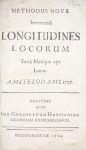
[Geology] [SWEDENBORG Emanuel]. Methodus nova inveniendi Longitudines locorum Terra Marique ope Lunae. Amstelodami, 1727.
Estimation :
Start Price 2 000 €
Description
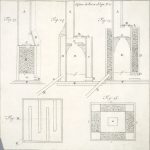
[legato con:/Bound with:] Nova observata et inventa circa Ferrum et Ignem et precipue circa naturam Ignis Elementarem, una cum Nova Camini inventione.
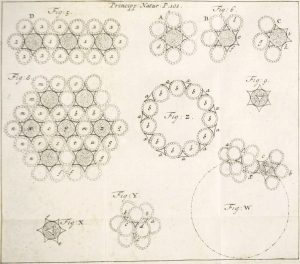
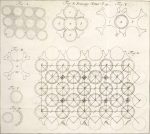
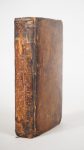
[legato con:/Bound with] Prodromus Principiorum Rerum Naturalium sive Novorum Tentaminum Chymiam et Physicam Experimentalem Geometrice explicandi. Hildburghausen, Hanisch, 1754. 3 works in 1 vol small 8° mm. 160 x 100; Contemporary half calf binding, spine decorated; pp. 55 with 2 copper plates; pp. 56 with 3 coper plates out text; pp. 199 with 15 copper plates. Rare mix of scientific pamphlets of the famous Swedish scientist and mystic , published for the first time in Amsterdam in 1721, then in 1727, and finally to Hildburghausen in 1754 [in fact the issue is always the same, and only changes the frontispiece]. They were written between 1719 and 1721, when Swendenborg, Assessor to the Council of Mines in Sweden, and not yet pervaded by the successive setbacks mystical and theosophical, he devoted himself to chemistry and physics research[dealt especially crystallography and the problems of chemical affinity]. These studies, remained almost ignored and obscured by the work as the next, were prized for their value only in recent times.
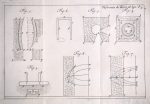
"In 1721 S. published anonimously a ‘geometrical explanation of chemistry and physics’, a work on the nature of fire and inventions on iron and fire and a new furnace, and a new method of finding logitudine... [The Prodromus] consists of attempts to explain the properties of substances in terms of the supposed forms of their particles, which are showed in the figures in great detail... The Observations on Iron and Fire contain descriptions of smelting furnaces [with plates] and a description of the smelting of iron ore with charcoal..." [Partington, III/pp. 165-67].
Il Prodromus ed altri opuscoli furono poi ristampati nei Principia Rerum Naturalium, sempre nel quadro di un interessante tentativo di spiegare le affinità chimiche sulla base di una teoria delle forme e della forza degli atomi, che precorre le teorie atomiche di Dalton e Berzelius.
Una riparazione all’angolo inferiore destro del frontespizio, ma buon esemplare.
[legato con:/Bound with] Prodromus Principiorum Rerum Naturalium sive Novorum Tentaminum Chymiam et Physicam Experimentalem Geometrice explicandi. Hildburghausen, Hanisch, 1754. 3 works in 1 vol small 8° mm. 160 x 100; Contemporary half calf binding, spine decorated; pp. 55 with 2 copper plates; pp. 56 with 3 coper plates out text; pp. 199 with 15 copper plates. Rare mix of scientific pamphlets of the famous Swedish scientist and mystic , published for the first time in Amsterdam in 1721, then in 1727, and finally to Hildburghausen in 1754 [in fact the issue is always the same, and only changes the frontispiece]. They were written between 1719 and 1721, when Swendenborg, Assessor to the Council of Mines in Sweden, and not yet pervaded by the successive setbacks mystical and theosophical, he devoted himself to chemistry and physics research[dealt especially crystallography and the problems of chemical affinity]. These studies, remained almost ignored and obscured by the work as the next, were prized for their value only in recent times.
"In 1721 S. published anonimously a ‘geometrical explanation of chemistry and physics’, a work on the nature of fire and inventions on iron and fire and a new furnace, and a new method of finding logitudine... [The Prodromus] consists of attempts to explain the properties of substances in terms of the supposed forms of their particles, which are showed in the figures in great detail... The Observations on Iron and Fire contain descriptions of smelting furnaces [with plates] and a description of the smelting of iron ore with charcoal..." [Partington, III/pp. 165-67].
Il Prodromus ed altri opuscoli furono poi ristampati nei Principia Rerum Naturalium, sempre nel quadro di un interessante tentativo di spiegare le affinità chimiche sulla base di una teoria delle forme e della forza degli atomi, che precorre le teorie atomiche di Dalton e Berzelius.
Una riparazione all’angolo inferiore destro del frontespizio, ma buon esemplare.